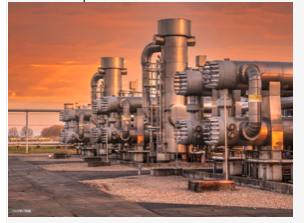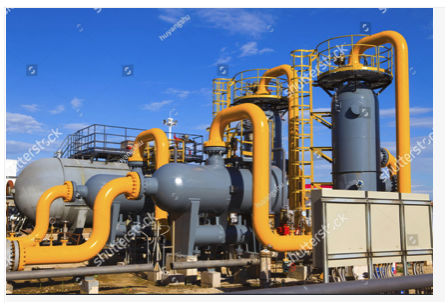
1- Equipments
Environmental Equipment: We are committed to environmental responsibility. Our environmental packages include Continuous Emissions Monitoring Systems (CEMS) and wastewater treatment solutions to help you meet regulatory requirements and minimize your environmental footprint.
- Continuous Emissions Monitoring Systems (CEMS) analyzers are essential tools used in various industries to monitor and measure emissions of air pollutants. These analyzers play a crucial role in environmental compliance, ensuring that industrial facilities adhere to regulatory standards for emissions control and reporting. Below, I’ll provide an overview of typical specifications and applications of CEMS analyzers:
Specifications of CEMS Analyzers:
- Measurement Parameters: CEMS analyzers are designed to measure specific air pollutants, which can include gases such as sulfur dioxide (SO2), nitrogen oxides (NOx), carbon monoxide (CO), volatile organic compounds (VOCs), particulate matter (PM), and more.
- Accuracy: These analyzers are known for their high accuracy in pollutant measurement, typically with low detection limits, ensuring compliance with stringent regulatory requirements.
- Real-Time Monitoring: CEMS analyzers provide real-time data, enabling immediate response to emission fluctuations and better control over industrial processes.
- Data Logging: They offer data logging capabilities, storing historical emissions data for reporting and analysis purposes.
- Calibration: Regular calibration is essential to maintain accuracy. Many CEMS analyzers offer automatic calibration features and require periodic maintenance.
- Sampling Method: CEMS analyzers use various sampling methods, including extractive, in-situ, and dilution techniques, depending on the application and pollutant being measured.
- Communication: Integration with control systems and remote monitoring capabilities via digital communication protocols such as Modbus or Ethernet is common.
- Compliance: CEMS analyzers should meet the relevant regulatory standards, such as those defined by the Environmental Protection Agency (EPA) in the United States or equivalent agencies in other regions.
Applications of CEMS Analyzers:
- Power Plants: CEMS analyzers are extensively used in power generation facilities, including coal, natural gas, and renewable energy plants, to monitor emissions of NOx, SO2, CO, and other pollutants.
- Industrial Processes: Various industries, such as chemical manufacturing, petrochemical, and cement production, utilize CEMS analyzers to measure emissions from their processes, ensuring compliance with emissions limits.
- Waste Incineration: Incineration facilities use CEMS analyzers to monitor emissions of dioxins, furans, and other hazardous compounds.
- Metal Processing: Metal smelting and refining facilities employ CEMS analyzers to track emissions of metals and other contaminants.
- Oil and Gas Production: CEMS analyzers help oil and gas facilities monitor emissions from flaring, combustion, and other processes.
- Automotive Emissions Testing: Laboratories and testing centers use CEMS analyzers to measure exhaust emissions during vehicle testing and certification.
- Research and Development: CEMS analyzers are also used in environmental research to study air quality, source apportionment, and the effectiveness of pollution control measures.
- Regulatory Compliance: They are essential for regulatory reporting and demonstrating adherence to emissions limits and standards imposed by environmental agencies.
CEMS analyzers are crucial tools for maintaining environmental compliance and minimizing the impact of industrial processes on air quality. Their accuracy, real-time monitoring capabilities, and adherence to regulatory standards make them invaluable in reducing industrial emissions and protecting the environment.
2- PetroCore Process Packages
Process Packages: We offer comprehensive process packages that streamline various refinery and petrochemical processes, ensuring maximum productivity and efficiency. From distillation units to hydrotreaters, our solutions are tailored to meet your specific requirements.
n the oil and gas industry, process packages refer to pre-engineered and pre-fabricated systems or modules that contain a set of interconnected equipment and instrumentation designed for specific functions or processes within oil and gas facilities. These packages are used to streamline project execution, reduce on-site construction time, and enhance operational efficiency. Here are some common process packages in the oil and gas industry:
- Production Separation Packages:
- Two-Phase Separators: These packages are designed to separate oil and gas from the well stream.
- Three-Phase Separators: Used to separate oil, gas, and water from the well stream.
- Gas Dehydration Packages:
- Glycol Dehydration Units: Remove water vapor from natural gas using glycol as a desiccant.
- Membrane Dehydration Units: Employ membranes to selectively remove water vapor from the gas stream.
- Gas Compression Packages:
- Gas Compressor Packages: Contain gas compressors and associated equipment to boost the pressure of natural gas for transportation or processing.
- Gas Sweetening Packages:
- Amine Sweetening Units: Remove hydrogen sulfide (H2S) and carbon dioxide (CO2) from natural gas using amine solutions.
- Physical Solvent Units: Use physical solvents to selectively remove H2S and CO2 from the gas stream.
- Gas Processing Units:
- Natural Gas Processing Units: Include equipment for natural gas treatment, such as acid gas removal, dew point control, and hydrocarbon recovery.
- Crude Oil Processing Packages:
- Desalting Units: Remove salt and impurities from crude oil.
- Crude Distillation Units: Separates crude oil into different fractions based on boiling points.
- Produced Water Treatment Packages:
- Water Deoiling Units: Separate oil from produced water.
- Water Demineralization Units: Remove salts and impurities from produced water.
- Enhanced Oil Recovery (EOR) Packages:
- Chemical Injection Skids: Deliver chemicals into the reservoir to enhance oil recovery.
- Steam Generation Units: Generate steam for thermal EOR methods like steam flooding.
- Liquefied Natural Gas (LNG) Packages:
- LNG Processing Units: Include equipment for cooling and liquefying natural gas for storage and transportation.
- 10.Oil and Gas Metering Packages:
- Custody Transfer Metering Skids: Measure the quantity and quality of oil and gas for financial transactions.
- Fiscal Metering Packages: Accurately measure and record oil and gas production data for regulatory compliance.
- 11.Chemical Injection Packages:
- Corrosion Inhibitor Injection Units: Inject chemicals to prevent corrosion in pipelines and equipment.
- Scale Inhibitor Injection Units: Prevent the buildup of scale in wells and pipelines.
- 12.Utility Packages:
- Power Generation Units: Provide electrical power to the facility.
- Water Treatment Units: Treat and supply water for various processes.
- 13.Firefighting and Safety Packages:
- Firewater Pump Packages: Supply high-pressure water for firefighting.
- Gas Detection Systems: Monitor for gas leaks and provide safety alarms.
- 14.Control and Instrumentation Packages:
- Control Systems: Include distributed control systems (DCS) and programmable logic controllers (PLC) for process automation and control.
- Safety Instrumented Systems (SIS): Ensure safety by implementing critical shutdowns and safety interlocks.
These process packages are often standardized and modular, making them easier to install, maintain, and expand as needed in the oil and gas industry. They are crucial components of oil and gas facilities, contributing to efficient and safe operations.